Beyond the To-Do List: Cultivating Lasting Work Motivation
Motivation isn’t a constant flame; it’s more like a muscle that needs regular exercise to stay strong. We all experience dips in our drive, especially when facing demanding projects or the daily grind. The key isn’t to wait for inspiration to strike, but to proactively cultivate an environment and mindset that fosters consistent engagement. Understanding that true workplace motivation stems from a blend of purpose, progress, and personal well-being can empower us to take control, transforming passive waiting into active building. It’s about shifting from hoping to be motivated to intentionally creating the conditions for it to flourish within our daily routines.
To reignite that spark, consider breaking larger goals into manageable mini-milestones. Each completed step provides a tangible sense of accomplishment, building momentum and reminding you of your capabilities. Beyond task completion, consciously connect your current work to the broader impact it has, whether for your team, your company, or your personal career aspirations. This bigger picture perspective can provide a powerful sense of meaning, especially when routine tasks feel uninspiring. Additionally, invest in cultivating a positive work atmosphere, whether through decluttering your space, taking short mindful breaks, or engaging positively with colleagues. These seemingly small adjustments cumulatively create a more supportive and energizing foundation for sustained motivation throughout your week.
What makes some employees leap out of bed excited to get to work, while others drag themselves in, counting the minutes until they can leave? The answer lies in understanding workplace motivators – the intrinsic and extrinsic factors that fuel engagement, productivity, and overall job satisfaction. It's more than just a paycheck; it's about creating an environment where people feel valued, challenged, and connected to a larger purpose.
At a glance:
- Motivation is the driving force behind employee performance.
- Both internal (intrinsic) and external (extrinsic) factors play a role.
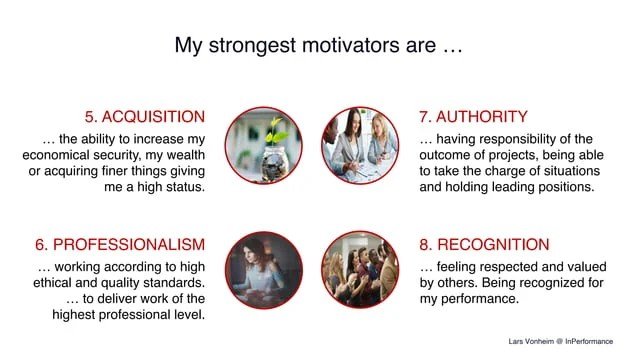
- Key motivators include achievement, purpose, recognition, flexibility, and growth.
- Organizations can cultivate motivation through various strategies.
- Motivated employees are more productive, engaged, and loyal.
Decoding the Psychology of Workplace Motivation
Motivation, at its core, is the psychological process that ignites and sustains goal-directed behavior. Think of it as the engine that powers employees' actions and propels them toward achieving objectives, both personal and organizational. But the fuel for this engine can vary. It's crucial to understand the different types of motivation to effectively influence performance.
- Intrinsic Motivation: This comes from within. It’s that feeling of enjoyment, satisfaction, or accomplishment derived directly from the task itself. An engineer who loves solving complex problems is intrinsically motivated by the challenge.
- Extrinsic Motivation: This is driven by external rewards or punishments. Bonuses, promotions, or even the fear of being reprimanded can serve as extrinsic motivators.
- Introjected Motivation: Performing a task out of a sense of obligation or to gain approval from others falls under this category. Think of an employee who volunteers for extra projects to impress their manager.
- Identified Motivation: This type involves understanding the value and importance of a task, even if it's not inherently enjoyable. For example, an employee might diligently complete administrative paperwork because they recognize its contribution to the overall efficiency of the team.
Identifying the Key Workplace Motivators
Knowing the types of motivation is just the first step. To truly unlock your team's potential, you need to understand what specifically motivates them.
1. The Power of Achievement
Humans are wired to seek a sense of accomplishment. Setting and attaining goals – whether small, daily wins or major project milestones – provides a profound sense of satisfaction. If you've ever felt that rush of dopamine after crossing something off your to-do list, you know the power of achievement. When employees achieve objectives, they feel valued and competent.
2. Purpose: Connecting to Something Bigger
In today's world, people crave meaning. They want to know that their work contributes to something larger than themselves. Employees who understand how their roles contribute to the organization's overall mission are more engaged and productive. Consider a non-profit organization; employees are often highly motivated by the purpose of helping others, leading to increased dedication and effort.
3. Recognition: Feeling Valued and Appreciated
Everyone wants to feel seen and appreciated for their contributions. Recognition can take many forms, from formal awards and public acknowledgements to simple "thank you" notes and words of praise. Even financial incentives, like bonuses or raises, can be effective forms of recognition. However, it's important to tailor recognition to individual preferences. Some employees prefer public praise, while others feel more comfortable with private acknowledgement.
4. Flexibility: The Key to Work-Life Balance
In an increasingly demanding world, flexibility is highly valued. Having control over work schedules, workload, and location can significantly reduce stress and improve work-life balance. Offering options like remote work, flexible hours, or compressed workweeks can be powerful workplace motivators.
5. Passion Fulfillment: Aligning Work with Interests
When employees can pursue their interests through their work, they are more engaged and motivated. This could involve allowing them to take on projects that align with their passions, providing opportunities for skill development in areas they are interested in, or even supporting employee resource groups related to hobbies or interests. One way to unlock professional drive and passion is through Unlocking professional drive and passion career coaching.
6. Challenge: Finding the Sweet Spot
While routine tasks can be comfortable, they can also lead to boredom and disengagement. Providing stimulating, or challenging, tasks that encourage skill development can boost motivation – but finding the right balance is crucial. Too much challenge can lead to stress and burnout. The key is to match the level of challenge to the employee's skills and abilities, providing support and resources as needed.
7. Job Security: Providing a Safe and Stable Environment
Knowing that their job is secure provides employees with a sense of stability and encourages long-term commitment to the organization. Clear communication regarding job security, growth opportunities, and the company’s long-term plan can reduce anxiety and foster a more motivated workforce.
8. Fun: Cultivating a Positive Atmosphere
Believe it or not, having fun at work matters. A positive and supportive work environment that promotes teamwork, collaboration, and creativity can significantly boost morale and motivation. Team-building activities, social events, and even simply encouraging laughter and camaraderie can create a more enjoyable and engaging workplace.
9. Creativity: Encouraging Innovation and Problem-Solving
Offering opportunities for employees to express their creativity, think outside the box, and contribute innovative ideas can be a powerful motivator. This involves creating a culture where experimentation is encouraged, and failures are seen as learning opportunities.
10. Leadership Style: Setting the Tone from the Top
Supportive and empowering leadership is crucial for employee motivation. Leaders who provide clear direction, offer regular feedback, and create a positive and trusting environment can inspire their team members to reach their full potential.
11. Opportunities for Growth: Investing in the Future
Employees are more motivated when they see a clear path for career advancement and professional development. Providing opportunities for training, mentorship, and skill-building demonstrates an investment in their future and encourages them to strive for greater achievement.
Building a Motivational Workplace: Practical Strategies
Now that you understand the key workplace motivators, let's explore some practical strategies you can implement to create a more engaging and motivating environment:
- Provide Professional Development Opportunities: Invest in training programs, workshops, and conferences to help employees develop new skills and advance their careers.
- Create a Positive and Collaborative Work Environment: Foster a culture of respect, trust, and open communication.
- Empower Employees with Autonomy: Give employees more control over their work and decision-making.
- Offer Fair Compensation and Benefits: Ensure that your compensation package is competitive and reflects the value of your employees' contributions.
- Highlight How Each Role Contributes to Organizational Goals: Help employees understand how their work contributes to the company's mission.
- Promote Work-Life Balance: Encourage employees to prioritize their well-being and offer flexible work arrangements.
- Ensure Clear and Transparent Communication: Keep employees informed about company news, decisions, and performance.
- Foster Teamwork and Collaboration: Encourage employees to work together and support each other.
- Offer Flexible Working Arrangements: Provide options like remote work, flexible hours, or compressed workweeks.
- Offer Varied and Engaging Tasks: Rotate responsibilities and provide opportunities for employees to work on different projects.
- Provide Constructive Feedback and Performance Reviews: Offer regular feedback to help employees improve their performance and identify areas for growth.
- Align Company Culture with Employee Values: Create a company culture that reflects the values of your employees.
- Ensure a Safe and Healthy Workplace: Prioritize the health and safety of your employees.
- Encourage Innovation: Create a culture where employees feel comfortable sharing new ideas and taking risks.
- Develop Personalized Motivation Plans: Tailor motivational strategies to individual employee needs and preferences.
- Invest in Latest Technology: Equip employees with the tools they need to be successful.
- Provide Latest Tools: Ensure employees have access to the latest software, hardware, and other resources.
- Design Well-Designed and Accessible Workspaces: Create physical workspaces that are comfortable, functional, and accessible.
- Offer Health and Fitness Programs: Promote employee well-being through health and fitness programs.
- Support Employee Resource Groups: Create and support employee resource groups based on shared interests or identities.
- Involve Employees in Decision-Making Processes: Give employees a voice in decisions that affect their work.
- Value Breaks and Downtime: Encourage employees to take breaks and prioritize their mental health.
- Celebrate Milestones: Recognize and celebrate team and individual achievements.
The Impact of Motivation: A Ripple Effect
When employees are motivated, the benefits extend far beyond individual performance. A motivated workforce leads to:
- Higher Quality Work and Increased Efficiency: Engaged employees are more likely to produce high-quality work and find efficient solutions.
- Reduced Turnover Rates: Motivated employees are more likely to stay with the company, reducing costly turnover.
- A Positive and Inclusive Workplace Culture: Motivation fosters a more positive and supportive work environment.
- Enhanced Innovation and Problem-Solving: Engaged employees are more likely to contribute innovative ideas and solutions.
- Alignment of Personal and Organizational Goals: Motivated employees are more likely to align their personal goals with the company's objectives.
Case Study: Tech Code Inc. - A Transformation
Tech Code Inc., a mid-sized software development company, was struggling with low morale, high turnover, and stagnant productivity. Employees felt undervalued, lacked opportunities for growth, and were disconnected from the company's mission.
To turn things around, Tech Code implemented a comprehensive motivation strategy that included:
- Recognition Programs: Implemented employee of the month awards, peer-to-peer recognition platforms, and regular performance-based bonuses.
- Improved Communication: Established regular town hall meetings, employee surveys, and open-door policies for leadership.
- Flexible Work Arrangements: Offered remote work options, flexible hours, and compressed workweeks.
- Professional Development: Invested in training programs, mentorship opportunities, and tuition reimbursement.
- Positive Work Culture: Organized team-building activities, social events, and employee wellness programs.
The Results: - 60% improvement in employee happiness.
- 40% increase in project delivery efficiency.
- 25% increase in sales.
- 50% reduction in turnover rate.
- Improved employer branding.
Addressing Common Questions & Misconceptions
- Isn’t money the biggest motivator? While compensation is important, it's not the only motivator. Many employees value non-monetary factors like recognition, opportunities for growth, and work-life balance.
- Can you motivate someone who is truly unmotivated? It's challenging, but not impossible. The key is to understand the underlying reasons for their lack of motivation and address those issues. Sometimes, it might be a matter of finding the right role or providing the right support.
- Is it possible to over-motivate employees? Yes, it is. Excessive pressure, unrealistic expectations, and a lack of work-life balance can lead to burnout and decreased motivation.
Your Next Steps: Fostering a Thriving Workforce
Understanding and applying workplace motivators is an ongoing process. Regularly assess your employees' needs, solicit feedback, and adapt your strategies accordingly. By creating a culture that values, supports, and empowers its people, you can unlock their full potential and build a thriving organization. It is also worthwhile to stay up-to-date with all aspects of professional development Unlocking professional drive and passion.