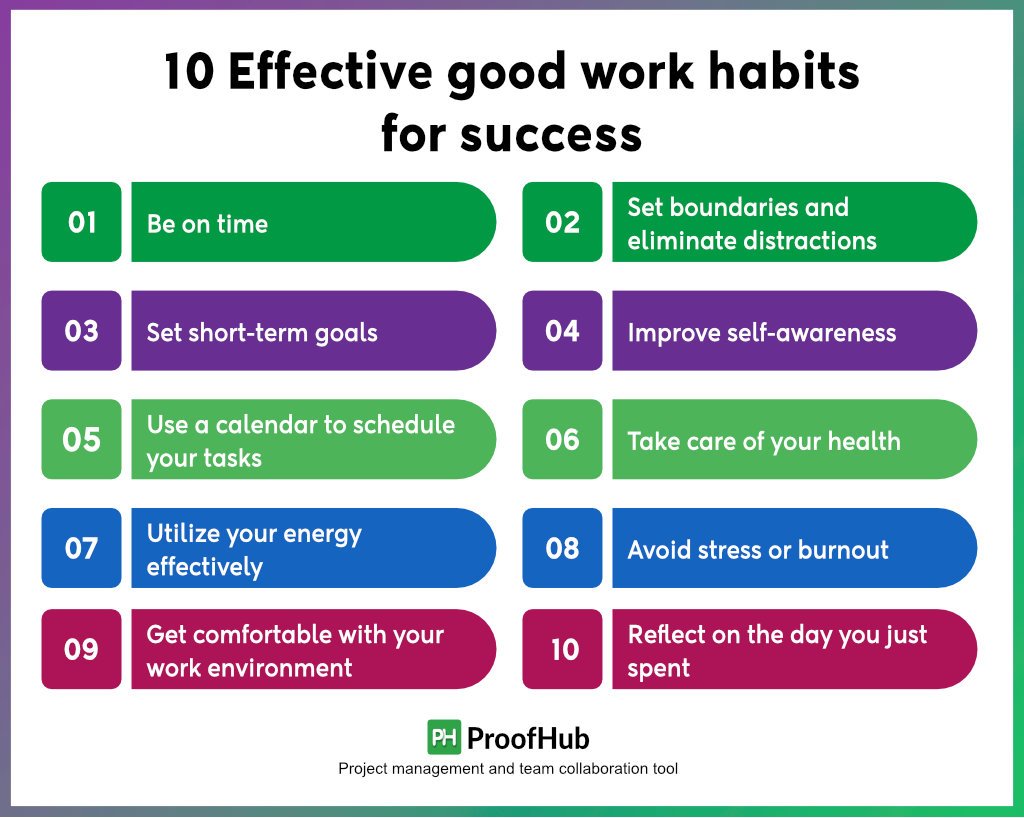
Motivation At Work Tips
Content about motivation at work tips (Auto-generated fallback due to API error).
For the bigger picture and full context, make sure you read our main guide on Things to work on at work: Habits and routines.
Figuring out "what are some things I do well at work examples" isn't just about patting yourself on the back. It's the foundation for career growth, better job satisfaction, and even negotiating that next raise. When you know your strengths, you can leverage them to contribute more effectively and strategically.
At a glance:
- Uncover your core strengths through self-reflection, feedback analysis, and identifying energizing tasks.
- Learn to articulate your strengths with confidence using concrete examples.
- Address perceived weaknesses proactively, focusing on areas for improvement.
- Develop essential skills and habits that amplify your existing strengths.
- Prioritize tasks and manage your time effectively to maximize your contributions.
Why Identifying Your Strengths Matters
Knowing what you excel at is essential. It allows you to target roles and responsibilities where you can truly shine and contribute the most value. This clarity translates into increased confidence, more significant contributions, and ultimately, career advancement. Being aware of your strengths also enables you to better manage your weaknesses by focusing on your natural talents and delegating or mitigating areas where you struggle.
Uncover Your Hidden Talents: How to Identify Your Strengths
Identifying your work strengths often requires a multi-faceted approach. You might not always see your abilities as clearly as others do. Here's a breakdown of effective methods:
- Reflect on past successes: What projects were you most proud of? What skills did you utilize in those situations? Analyze the patterns in your accomplishments. Did your critical thinking skills help you solve a complex problem, or did your communication skills enable you to lead a team effectively?
- Identify energizing tasks: What aspects of your job do you genuinely enjoy? What tasks make you feel energized and engaged? These activities often align with your natural talents and intrinsic motivations.
- Seek feedback from others: What compliments do you consistently receive from colleagues, supervisors, or clients? These external perspectives can provide valuable insights into your strengths that you may not have recognized yourself. Don't dismiss positive feedback—consider it data.
Core Strength Examples: A Starting Point for Self-Discovery
Let's explore some common core strengths. Consider which of these resonate with you and think about specific examples where you've demonstrated them.
- Critical Thinking: Are you skilled at analyzing problems and developing effective solutions? For example, you might excel at identifying the root cause of a technical issue and implementing a fix.
- Creativity: Do you approach challenges with an innovative mindset? Can you generate new ideas and find unconventional solutions? Maybe you redesigned a marketing campaign that resulted in a significant increase in leads.
- Initiative: Do you proactively identify opportunities and take action without waiting for instructions? For example, you might have noticed a process bottleneck and implemented a solution to improve efficiency.
- Self-Management: Are you organized, disciplined, and able to manage your time effectively? Perhaps you consistently meet deadlines and prioritize tasks to maximize productivity.
- Lateral Thinking: Can you approach problems from different angles and consider various perspectives? Maybe you resolved a conflict between team members by facilitating a collaborative discussion.
- Communication: Are you an effective communicator who can clearly convey ideas and build rapport with others? Perhaps you gave a presentation that resonated with the audience and achieved its objectives.
- Observation & Curiosity: Do you notice patterns and seek out new information to enhance your understanding? For example, you might proactively research industry trends to identify potential opportunities for your company.
- Teamwork: Are you a collaborative team player who contributes to a positive and productive work environment? Perhaps you helped your team achieve a project goal by actively participating in discussions and sharing your expertise.
- Self-Confidence: Do you approach challenges with a positive attitude and believe in your ability to succeed? Maybe you volunteered to lead a challenging project despite having limited experience in that area.
Show, Don't Just Tell: Articulating Your Strengths Effectively
Simply listing your strengths isn't enough. You need to demonstrate them with concrete examples. Use the STAR method (Situation, Task, Action, Result) to structure your responses.
- Situation: Describe the context of the situation.
- Task: Explain the task or challenge you faced.
- Action: Detail the specific actions you took.
- Result: Quantify the positive outcome of your actions.
For example: "In my previous role (Situation), we were facing a deadline for a critical project (Task). I took the initiative to organize a project plan with clearly defined tasks and timelines, and facilitated daily stand-up meetings to track progress and address roadblocks (Action). As a result, we delivered the project on time and within budget (Result), and received positive feedback from the client."
Addressing Perceived Weaknesses: A Proactive Approach
Everyone has areas where they can improve. Acknowledging your weaknesses and demonstrating a commitment to growth is crucial. Choose an attribute you are actively working on, relevant to the job/role, and provide a real-life example. Maintain a positive attitude and show eagerness to learn.
Consider this scenario: "I'm actively working on improving my public speaking skills. While I'm confident in one-on-one conversations, presenting to larger groups makes me nervous. To address this, I've joined a Toastmasters club and I volunteer to present at team meetings whenever possible. Although I still experience some anxiety, I've noticed a significant improvement in my delivery and confidence over the past few months."
Essential Skills and Habits That Amplify Your Strengths
Beyond core talents, certain skills and habits can significantly boost your overall performance. Here are a few options, depending on the surrounding content: * Improve your work habits * Develop better routines at work * Boost workplace habits, routines * Workplace routines and habits guide * Refine your work approach can help you develop these areas.
Let's look at a few examples:
- Positive Attitude: A positive attitude fosters engagement and successful outcomes. Even if you're not naturally optimistic, focusing on solutions and celebrating small wins can shift your perspective.
- Taking Criticism Well: Being receptive to constructive feedback improves skills, performance, and broadens your perspective. View criticism as an opportunity to learn and grow rather than a personal attack.
- Solution-Oriented: Focusing on finding solutions rather than dwelling on problems demonstrates a proactive approach. When faced with a challenge, immediately start brainstorming potential solutions.
- Active Listening: Paying close attention to what others are saying promotes respect, heightens comprehension, and boosts productivity. Practice summarizing what you've heard to ensure you understand.
Prioritization & Time Management: Maximizing Your Impact
Even the most talented individuals can struggle if they can't manage their time effectively.
Here's a simple framework for improving your time management:
- Set Clear Goals: Break down large goals into smaller, more manageable steps.
- Prioritize Tasks: Focus on the most important tasks first. Use methods like the Eisenhower Matrix (urgent/important) to categorize tasks.
- Limit Distractions: Identify common distractions and implement strategies to minimize them. Schedule focused blocks for uninterrupted work.
- Delegate When Possible: Don't be afraid to delegate tasks to others when appropriate.
- Take Breaks: Regular breaks throughout the day can help you stay refreshed and focused.
Quick Answers: Common Questions About Identifying Strengths
Q: What if I genuinely can't think of any strengths?
A: This is more common than you think! Start with small wins. Think about tasks you complete with minimal effort compared to your colleagues. Ask trusted friends or family outside of work for their perspective. Sometimes, an outsider's view is invaluable. Also, consider taking a personality or skills assessment test.
Q: How do I avoid sounding arrogant when talking about my strengths?
A: Focus on the impact your strengths have on the team or organization. Use "we" instead of "I" when possible to emphasize collaboration. Keep the tone factual and humble. Quantity your results where appropriate. For example, instead of saying "I'm a great communicator," say "I was able to improve team communication resulting in a 15% increase in project efficiency."
Q: What if my strengths aren't directly related to my current role?
A: Identify transferable skills. For example, if you're highly organized outside of work, you can highlight how that translates into effective time management and project coordination. Frame your strengths in a way that demonstrates their value to the organization, even if they aren't immediately apparent.
Your Path to Recognizing and Using Your Strengths
Identifying and leveraging what you do well at work is an ongoing process. It requires self-reflection, a willingness to receive feedback, and a proactive approach to development. By understanding your strengths and weaknesses, you can position yourself for success and make a meaningful contribution to your organization. Regularly reassess your skills and adapt to the evolving demands of your role. This continuous self-improvement cycle is essential for long-term career growth and fulfillment.