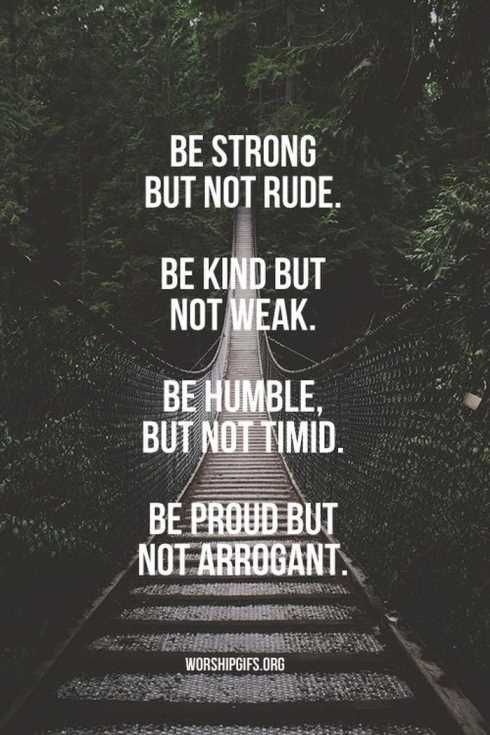
Motivation At Work Tips
Content about motivation at work tips (Auto-generated fallback due to API error).
For the bigger picture and full context, make sure you read our main guide on Positive Happy Workplace Quotes: Inspiration for Good Work Vibes.
Feeling the Monday blues already on Wednesday? It’s easy to let negativity creep into the workplace, impacting not only your mood but also productivity and teamwork. But injecting some positivity can be easier than you think. Carefully chosen quotes about a positive attitude at work, shared strategically, can be a surprisingly effective tool to shift the atmosphere and boost morale.
At a glance:
- Discover how to use positive quotes to improve employee morale and teamwork.
- Learn practical strategies for sharing quotes in a way that resonates with your team.
- Understand how a positive attitude impacts productivity and the overall work environment.
- Get specific examples of quotes and how to apply them in various workplace scenarios.
- Address common concerns about using motivational quotes in a professional setting.
Why a Positive Attitude at Work Matters (and How Quotes Can Help)
A positive attitude isn’t just about being cheerful; it directly influences productivity, collaboration, and overall workplace culture. Employees with a positive outlook are more resilient, creative, and engaged. But fostering this kind of environment takes more than just wishing for it. It requires consistent effort, and that’s where strategically used quotes can play a supporting role.
Think of it this way: a single positive quote is like a small seed planted in fertile ground. While it won't solve deep-seated issues on its own, regular exposure to uplifting messages can subtly shift perspectives and reinforce desired behaviors. For more insights into the bigger picture, you can inspire good work vibes by checking out our main guide.
Choosing the Right Quotes: Relevance is Key
Not all quotes are created equal. A quote that resonates with one team might fall flat with another. Here’s how to curate a selection that hits the mark:
- Know Your Audience: What are the key challenges and aspirations of your team? Tailor your selection to address their specific needs. A sales team facing a slump might benefit from quotes on perseverance, while a creative team could thrive on those promoting innovation.
- Consider the Context: Is there a particular project or event that's causing stress? Select quotes that offer encouragement or a fresh perspective on the situation.
- Keep it Authentic: Avoid overly saccharine or cliché quotes that feel disingenuous. Opt for messages that are relatable, insightful, and speak to the reality of the workplace.
- Mix it Up: Variety is the spice of life, and the same applies to motivational quotes. Rotate your selection regularly to keep things fresh and prevent message fatigue.
Example:
Imagine your team is facing a tight deadline on a project. Instead of a generic "just do it" quote, consider something like:
"The secret of getting ahead is getting started." - Mark Twain
This quote is both motivational and practical, emphasizing the importance of taking that first step, even when overwhelmed.
How to Share Quotes Effectively: Timing is Everything
Simply posting quotes around the office isn't enough; you need a strategic approach to maximize their impact.
- Choose the Right Medium:
- Digital Channels: Share quotes on team chat channels (Slack, Microsoft Teams), in email signatures, or as part of virtual meeting backgrounds.
- Physical Spaces: Display quotes on bulletin boards, near coffee machines, or in meeting rooms.
- Meeting Starters: Kick off team meetings with a quote that sets a positive tone for the discussion.
- Integrate Quotes into Recognition Programs:
- Pair a positive quote with an employee recognition award to amplify the message. For example, if someone demonstrates exceptional teamwork, you could present them with an award alongside a quote about collaboration.
- Encourage Team Participation:
- Invite team members to share their favorite quotes or suggest quotes that resonate with them. This fosters a sense of ownership and encourages open dialogue.
- Be Consistent:
- Regularity is key. Make sharing quotes a consistent practice, whether it's daily, weekly, or monthly. This reinforces the message and creates a culture of positivity.
- Lead by Example:
- Share quotes that resonate with you personally and explain why. This demonstrates authenticity and encourages others to do the same.
Real-World Examples: Quotes in Action
Let's look at some specific examples of how quotes can be used in different workplace scenarios:
- Boosting Morale During a Difficult Project:
- Quote: "Challenges are what make life interesting. Overcoming them is what makes life meaningful." - Joshua Marine
- How to Use It: Share this quote during a team meeting to acknowledge the difficulty of the project but also emphasize the potential for growth and achievement.
- Encouraging Innovation:
- Quote: "The best way to predict the future is to create it." - Peter Drucker
- How to Use It: Display this quote in a brainstorming room to inspire creativity and remind team members that they have the power to shape the future.
- Promoting Teamwork:
- Quote: "Alone we can do so little; together we can do so much." - Helen Keller
- How to Use It: Feature this quote in a team newsletter or during a team-building activity to reinforce the importance of collaboration.
- Addressing Setbacks:
- Quote: "Our greatest glory is not in never failing, but in rising up every time we fail." - Ralph Waldo Emerson
- How to Use It: Share this quote after a project setback to encourage resilience and remind team members that failure is a learning opportunity.
The Pitfalls to Avoid: Authenticity and Overkill
While positive quotes can be beneficial, there are some common pitfalls to avoid:
- Forced Positivity: Don't use quotes to gloss over legitimate concerns or create a toxic positivity environment where negative emotions are suppressed. Acknowledge challenges and address them constructively.
- Overuse: Bombarding employees with quotes can dilute their impact and make them feel insincere. Use them sparingly and strategically.
- Irrelevance: Choose quotes that are relevant to the specific situation or the team's goals. Generic quotes that lack context will likely be ignored.
- Lack of Follow-Through: Quotes are just words; they need to be backed up by actions. Ensure that your workplace practices align with the messages you're promoting.
Quick Answers: Addressing Common Concerns
Here are some quick answers to frequently asked questions about using positive quotes at work:
Q: Are motivational quotes just cheesy and ineffective?
A: Not when used thoughtfully and strategically. The key is to select quotes that are relevant, authentic, and aligned with your workplace culture. Pair them with concrete actions and meaningful recognition to amplify their impact.
Q: How often should I share quotes?
A: It depends on your team and the context. Start with once or twice a week and adjust based on their response. The goal is to provide a consistent dose of positivity without overwhelming them.
Q: What if my team is skeptical or resistant to motivational quotes?
A: Start small and focus on building trust. Share quotes that resonate with you personally and explain why. Invite team members to share their own favorite quotes and create a dialogue.
Q: Can quotes really change the workplace culture?
A: Quotes alone won't transform a toxic environment, but they can be a valuable tool in a broader effort to cultivate a positive culture. Use them to reinforce desired values, promote open communication, and recognize employee contributions.
Your Playbook for Positivity: A Quick Start
Ready to inject some positivity into your workplace? Here's a step-by-step guide to get you started:
- Assess Your Team's Needs: What are their biggest challenges and aspirations?
- Curate a Selection of Quotes: Choose quotes that are relevant, authentic, and aligned with your workplace culture.
- Choose Your Medium: Decide how you'll share the quotes (e.g., email, chat channel, bulletin board).
- Start Sharing: Begin with a consistent schedule (e.g., once a week) and adjust based on your team's response.
- Encourage Participation: Invite team members to share their favorite quotes and create a dialogue.
- Follow Through: Back up your words with actions that support a positive work environment.
- Evaluate and Adjust: Continuously assess the impact of your efforts and make adjustments as needed.
Using quotes about a positive attitude at work is not a magic bullet, but can be a potent tool when wielded with intention and authenticity. Pair it with genuine care for your team, and you'll be well on your way to fostering an environment where people thrive.