Motivation At Work Tips
Content about motivation at work tips (Auto-generated fallback due to API error).
Navigating workplace transformation can feel like sailing into uncharted waters. Uncertainty reigns, and resistance can bubble to the surface. That's where the power of inspiration comes in. Specifically, curating a collection of inspirational quotes about change at work can be a surprisingly effective way to reframe perspectives, boost morale, and encourage your team to embrace new challenges.
At a glance:
- Discover how strategically using quotes can smooth transitions within your team.
- Learn to select quotes that resonate with specific change initiatives.
- Gain actionable methods for sharing quotes to maximize their impact.
- Understand how to address common resistance to change with targeted messaging.
Why Quotes? The Psychology of Inspiration
Why do inspirational quotes about change at work actually work? It boils down to several psychological principles:
- Cognitive Reframing: Quotes offer a different lens through which to view a situation, helping to shift negative perceptions to more positive ones.
- Sense of Shared Experience: Many quotes are timeless, encapsulating universal truths about change, making individuals feel less alone in their experiences.
- Emotional Resonance: A well-chosen quote can tap into emotions, providing comfort, encouragement, or a spark of motivation.
- Conciseness and Memorability: The brevity of quotes makes them easy to remember and repeat, serving as constant reminders of the desired mindset.
Think of it this way: A team facing a new software implementation might be anxious about the learning curve. Sharing a quote like "The only way to do great work is to love what you do" (Steve Jobs) can subtly shift the focus from the perceived burden to the potential for growth and mastery.
Selecting the Right Quotes: Context is King
Not all inspirational quotes about change at work are created equal. The key lies in selecting quotes that align with the specific change your team is facing and the overall culture of your organization.
Consider These Factors:
- The Nature of the Change: Is it a technological upgrade, a restructuring, or a shift in company strategy? Choose quotes that address the specific anxieties and opportunities associated with that type of change.
- Your Team's Culture: Are they more receptive to lighthearted humor or serious introspection? Tailor your quote selection accordingly.
- Individual Personalities: While you're speaking to the team, consider how individual members might interpret the message. Be mindful of potential sensitivities.
Example Scenarios: - Restructuring: If your team is undergoing restructuring, a quote focusing on resilience might be beneficial. "When things change inside you, things change around you" (Unknown) emphasizes the importance of inner adaptation.
- New Leadership: With new leadership, quotes centering on collaboration and vision work well. "The key to successful leadership today is influence, not authority." (Ken Blanchard) can set a tone for partnership.
- Process Improvement: For initiatives geared towards better processes, consider quotes on continuous improvement. "Strive for progress, not perfection." (Unknown) helps lower feelings of overwhelm.
Sharing Quotes Effectively: Timing and Delivery Matter
Simply posting quotes on a bulletin board isn't enough. To maximize the impact of inspirational quotes about change at work, you need a strategic approach to timing and delivery.
Tactics for Effective Sharing:
- Integration with Communication: Incorporate quotes into team meetings, emails, and presentations. Use them to highlight key messages and reinforce the overall narrative of the change.
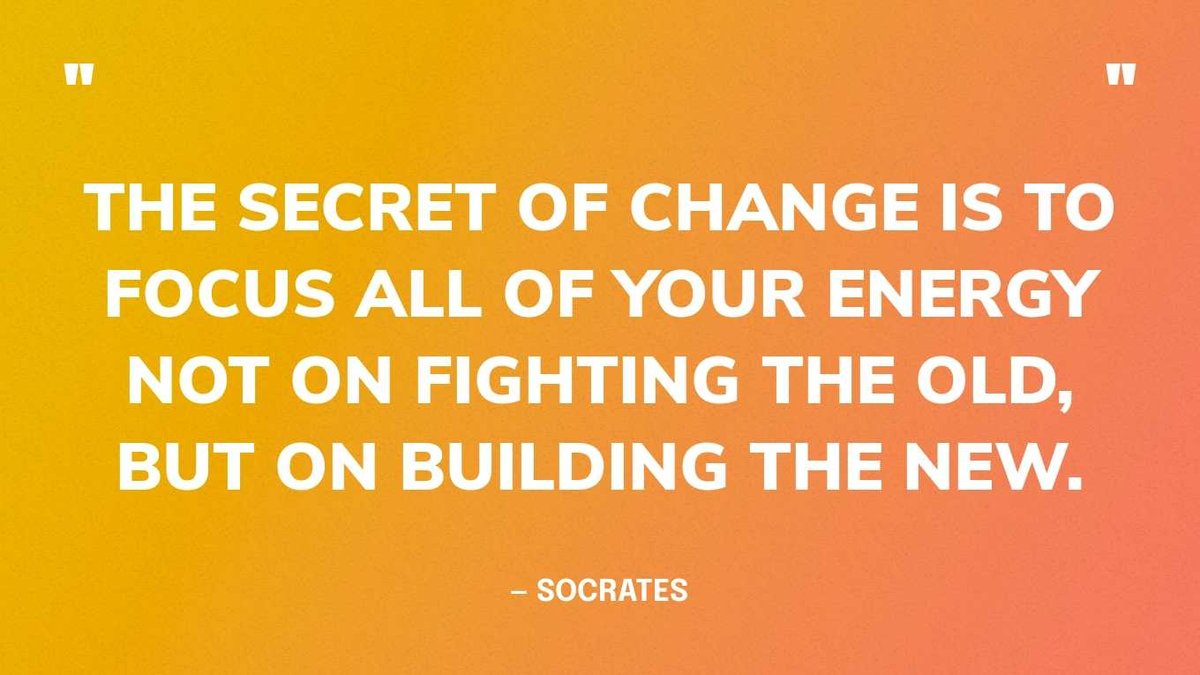
- Visual Reinforcement: Create visually appealing graphics with the quotes and share them on internal communication channels.
- Interactive Discussions: Start team discussions by sharing a quote and asking team members to share their interpretations.
- Individualized Messaging: For specific team members who may be struggling with the change, send personalized messages with relevant quotes.
- Leadership by Example: Let leaders use quotes to start team meetings or send encouraging emails.
Example: During a kick-off meeting for a new project, the project manager shares a quote like, "Coming together is a beginning, staying together is progress, and working together is success." (Henry Ford) This reinforces the collaborative aspect of the project and sets a positive tone for the team.
Addressing Resistance: Quotes as a Bridge
Change inevitably brings resistance. Inspirational quotes about change at work can be a valuable tool for addressing these concerns and fostering a more receptive environment.
Common Sources of Resistance and How Quotes Can Help:
| Source of Resistance | Example Quote | How It Helps |
|---|---|---|
| Fear of the Unknown | "The only thing that is constant is change." (Heraclitus) | Validates the inevitability of change, encouraging acceptance. |
| Loss of Control | "Adaptability is not imitation. It means power of resistance and assimilation." (Mahatma Gandhi) | Emphasizes that adapting to change doesn't mean losing one's individuality or autonomy, but gaining power. |
| Increased Workload | "The best way to predict the future is to create it." (Peter Drucker) | Encourages a proactive approach, highlighting the potential benefits of the change in the long run. |
| Remember to actively listen to your team's concerns and address them directly. Quotes should supplement, not replace, open and honest communication. |
Practical Playbook: Implementing a Quote-Driven Strategy
Here's a step-by-step guide to implement a strategy to leverage inspirational quotes about change at work effectively:
- Identify the Change: Clearly define the specific change initiative and its potential impact on your team.
- Gather Feedback: Solicit feedback from your team regarding their concerns and expectations.
- Curate a Quote Collection: Compile a list of relevant quotes that address the identified concerns and promote a positive outlook. Find Change Motivation Here by expanding your personal collection of inspirational quotes about change.
- Develop a Communication Plan: Outline how and when you will share the quotes with your team, considering the factors mentioned above.
- Monitor and Adjust: Track the impact of your quote-driven strategy and adjust your approach as needed, based on team feedback and observations.
- Keep it Fresh: Regularly refresh your quote selection to maintain engagement and relevance.
Quick Answers: Common Questions on Change & Quotes
- Q: Can quotes replace real action?
- A: Absolutely not. Inspirational quotes are catalysts, not substitutes, for meaningful action and leadership. If the team needs resources, skills, or clear direction, quotes alone won't suffice.
- Q: What if my team finds quotes cheesy?
- A: Authenticity is key. If your team is cynical, avoid overly sentimental quotes. Opt for pragmatic, relatable statements from respected figures. Also, gauge the tolerance for quotes – a little can go a long way.
- Q: How frequently should I share inspirational quotes about change at work?
- A: Less is often more. Overusing quotes can dilute their impact. Focus on strategic timing and relevance rather than sheer volume. Consider a cadence of once a week, or when specific challenges arise.
- Q: Where can I find high-quality inspirational quotes about change at work?
- A: Look to respected leaders, authors, and thinkers. Websites specializing in quotes can be useful, but always verify the source and context. Think beyond the business world – literature, philosophy, and history can offer profound insights.
Actionable Close: Cultivate a Culture of Change
Ultimately, the goal isn't just to get your team through the current change, but to cultivate a culture of adaptability and resilience. Inspirational quotes about change at work can be a powerful tool in achieving this, but they must be part of a broader strategy that includes open communication, active listening, and a genuine commitment to supporting your team. By embracing this approach, you can transform change from a source of anxiety into an opportunity for growth and innovation.