Motivation At Work Tips
Content about motivation at work tips (Auto-generated fallback due to API error).
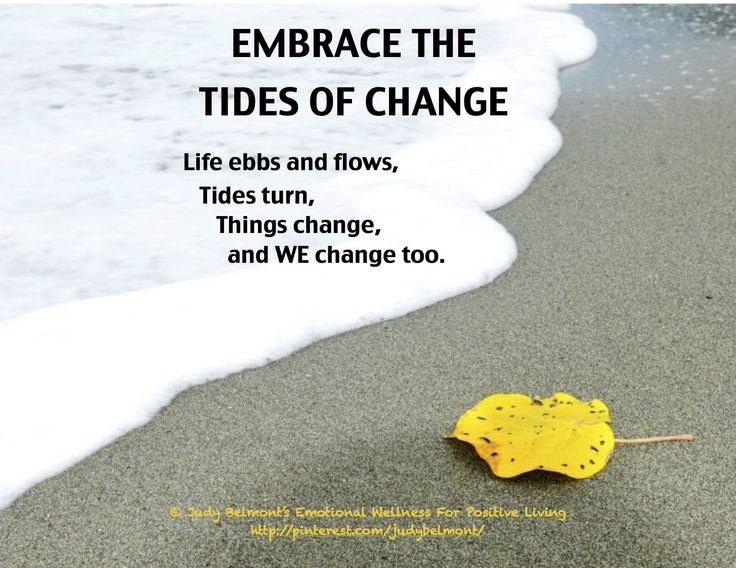
Ever feel like the only constant at work is, well, change? From new software to organizational restructuring, navigating these shifts can be challenging. Sometimes, all it takes is a little inspiration to reframe your perspective and embrace the opportunities that come with change. That's where change quotes for work can be surprisingly powerful, offering a quick dose of motivation and wisdom when you need it most.
At a glance:
- Change is inevitable in the workplace.
- Your mindset is key to how you handle change.
- Adaptability is a valuable skill for career success.
- Change often leads to new opportunities for growth.
- Leadership plays a critical role in guiding teams through change.
Why Change Quotes for Work Matter
Let’s be honest: change can be stressful. It throws us off balance, forces us to learn new things, and sometimes even makes us question our abilities. But resistance to change is often more draining than adapting to it. Change quotes for work can help you and your team:
- Shift your perspective: A well-chosen quote can offer a new way of looking at a challenging situation.
- Boost morale: Motivational quotes can inspire a sense of optimism and resilience.
- Foster a growth mindset: Encouraging a belief that skills and abilities can be developed through dedication and hard work.
- Promote open communication: Quotes can be used as conversation starters to discuss change management strategies.
The Inevitability of Change: Finding Acceptance
One of the biggest hurdles in dealing with change is accepting that it's, well, inevitable. Clinging to the past or resisting the new reality only creates more stress and anxiety. The key is to find a way to accept change as a natural part of the work environment.
Why is change so constant? Because the world around us is constantly evolving. Technology advances, markets shift, and customer needs change. Businesses must adapt to survive and thrive. Individuals must adapt to remain relevant and competitive. This understanding is fundamental to navigating the changes that come our way. One way to embrace these changes is to Embrace Change: Inspiring Quotes.
Actionable Tip: Acceptance Journal
A simple exercise is to start an "acceptance journal." Each day, write down one thing that changed at work and how you can accept it. Reframing these shifts can help you find the positive aspects of new directions.
Mindset Matters: Developing a Positive Outlook
Your mindset plays a crucial role in how you experience change. A negative mindset can lead to resistance, fear, and decreased productivity. A positive mindset, on the other hand, can open you up to new possibilities, creativity, and growth.
Think of it this way: Are you viewing change as a threat or an opportunity?
Shifting Your Mindset: Practical Steps
- Challenge negative thoughts: When you find yourself thinking negative thoughts about change, actively challenge those thoughts. Ask yourself if there's another way to look at the situation.
- Focus on what you can control: You can't control everything that happens at work, but you can control your reaction to it. Focus on what you can control, such as your attitude, your effort, and your willingness to learn.
- Practice gratitude: Take time each day to appreciate the good things in your life and at work. This can help you stay positive even during challenging times.
- Seek out positive influences: Surround yourself with people who have a positive attitude and are supportive of change. Read books, articles, and blogs that inspire and motivate you.
Adaptability: The Superpower of Success
In today's rapidly changing world, adaptability is no longer just a nice-to-have skill – it's a must-have. It's the ability to adjust to new conditions, learn new skills, and embrace new challenges. Think of it as your professional superpower.
How To Cultivate Adaptability
- Be a lifelong learner: Commit to continuous learning and development. Take courses, attend workshops, read books, and stay up-to-date on industry trends.
- Step outside your comfort zone: Take on new projects, volunteer for new roles, and challenge yourself to learn new things.
- Be open to feedback: Seek out feedback from others and be willing to learn from your mistakes.
- Develop your problem-solving skills: Strong problem-solving skills will help you navigate unexpected challenges and find creative solutions.
- Practice flexibility: Be willing to adjust your plans and priorities as needed.
Adapting to change doesn't have to be daunting. In fact, you might find Inspiring Change at Work to be just the thing to help you embrace it.
Growth Through Change: Embracing New Opportunities
While change can be uncomfortable, it often leads to growth and new opportunities. Think of it as a catalyst for personal and professional development.
Seeing the Opportunities in Change
- New skills: Change often requires you to learn new skills, which can make you more valuable to your employer and enhance your career prospects.
- New experiences: Change can expose you to new experiences and perspectives, broadening your horizons and making you a more well-rounded person.
- New connections: Change can lead to new connections and relationships, expanding your network and opening doors to new opportunities.
- New challenges: Change can present new challenges that push you to grow and develop your abilities.
Leadership in Times of Change: Guiding the Way
Effective leadership is essential for managing change successfully. Leaders play a critical role in communicating the vision, motivating the team, and providing support during times of transition.
Key Leadership Qualities for Change Management
- Clear communication: Leaders need to clearly communicate the reasons for the change, the goals, and the expected outcomes.
- Vision: Leaders need to articulate a compelling vision of the future and inspire others to embrace it.
- Empathy: Leaders need to understand and address the concerns and anxieties of their team members.
- Support: Leaders need to provide support and resources to help their team members adapt to the change.
- Transparency: Leaders need to be transparent about the process and keep their team members informed every step of the way.
Think of it like this: a good leader is like a tour guide through unfamiliar territory, providing the map, the compass, and the encouragement to keep moving forward.
Overcoming Fear and Doubt: Building Confidence
Fear and doubt are common reactions to change. It's natural to feel uncertain or anxious when faced with the unknown. However, it's important to overcome these feelings in order to embrace change and move forward.
Strategies for Overcoming Fear and Doubt
- Identify your fears: What are you specifically afraid of? Once you identify your fears, you can start to address them.
- Challenge your fears: Are your fears based on reality or are they based on assumptions? Challenge your negative thoughts and replace them with more positive and realistic ones.
- Focus on your strengths: Remind yourself of your past successes and focus on your strengths and abilities.
- Take small steps: Don't try to tackle everything at once. Break the change down into smaller, more manageable steps.
- Seek support: Talk to a trusted friend, family member, or colleague.
Learning from Failure: Embracing Setbacks
Failure is an inevitable part of the change process. Not everything will go as planned, and you're bound to experience setbacks along the way. The key is to learn from your failures and use them as opportunities for growth.
How to Learn from Failure
- Don't dwell on the past: Instead of dwelling on your mistakes, focus on what you can learn from them.
- Analyze what went wrong: Take time to analyze what went wrong and identify the root causes of the failure.
- Develop a plan for improvement: Based on your analysis, develop a plan for how you can improve in the future.
- Don't be afraid to try again: Don't let failure discourage you. Use it as motivation to try again and keep moving forward.
Remember that even the most innovative companies experience failure. It's part of the iterative process and key to their success.
Collaboration and Empathy: Working Together
Change can be easier to navigate when you have the support of others. Collaboration and empathy are essential for creating a positive and supportive work environment during times of transition.
How to Foster Collaboration and Empathy
- Communicate openly and honestly: Encourage open communication and create a safe space for people to share their concerns and ideas.
- Listen actively: Listen attentively to what others have to say and try to understand their perspectives.
- Offer support and encouragement: Let your colleagues know that you're there for them and offer support and encouragement.
- Celebrate successes together: Celebrate your collective successes and acknowledge the contributions of each team member.
Consistency and Perseverance: Staying the Course
Change can be a long and challenging process. It requires consistency and perseverance to stay the course and achieve your goals.
Tips for Staying Consistent and Persistent
- Set realistic goals: Set realistic goals and break them down into smaller, more manageable steps.
- Track your progress: Track your progress and celebrate your milestones along the way.
- Stay motivated: Find ways to stay motivated and inspired, such as reading motivational books or listening to inspiring podcasts.
- Don't give up: Don't give up when you face setbacks or challenges. Remember why you started and keep moving forward.
Remember, success is often the result of small, consistent actions taken over a long period of time. And if during all that you need a boost remember that Inspiring Workplace Transformation Quotes are there to help.
Visualizing a Better Future: Staying Motivated
Having a clear vision of the future can help you stay motivated during times of change. When you can see the potential benefits of the change, it's easier to embrace it and work towards it.
How to Visualize a Better Future
- Imagine the positive outcomes: Imagine what your work environment will look like after the change is implemented. What will be better? How will it benefit you and your team?
- Create a vision board: Create a vision board with images and words that represent your desired future.
- Write down your goals: Write down your goals and review them regularly.
- Share your vision with others: Share your vision with others and inspire them to join you.
Key Questions About Change Management
Navigating change effectively often involves addressing key questions and common misconceptions. Here are some answers to help you and your team:
How do I deal with resistance to change from my team?
Resistance is natural. First, acknowledge their concerns. Then, clearly communicate the why behind the change, emphasizing the benefits and addressing potential downsides. Involve them in the process to foster ownership. Finally, offer training and support to help them adapt.
What's the difference between change management and change leadership?
Change management focuses on the process of implementing change – the plans, structures, and resources. Change leadership focuses on the people – inspiring, motivating, and guiding them through the transition. Both are essential for success.
How can I measure the success of a change initiative?
Define clear metrics upfront, such as increased efficiency, improved customer satisfaction, or reduced costs. Track these metrics throughout the process and after implementation to assess the impact of the change. Also, gather feedback from employees and customers.
Making Change Your Ally: A Practical Guide
Ready to turn change into a positive force in your work life? Here's a step-by-step approach:
- Acknowledge the Inevitable: Accept that change is constant and unavoidable.
- Cultivate a Positive Mindset: Choose to see change as an opportunity for growth.
- Focus on Potential: Identify the potential benefits and opportunities presented by the change.
- Embrace Adaptability: Be open to learning new skills and adapting to new ways of working.
- Learn from Setbacks: View failures as learning experiences and opportunities for improvement.
- Seek Support: Connect with others for support and guidance throughout the change process.
- Take Action: Don't wait for change to happen to you. Actively engage in the process and take ownership of your role.
- Help Others: Support your colleagues and help them adapt to the change.
- Celebrate Progress: Acknowledge and celebrate milestones along the way to maintain momentum.
- Transform Fear into Fuel: Use your fears as motivation to learn, grow, and overcome challenges. Another helpful tool is Inspiring Quotes for Workplace Change.
By following these steps, you can transform change from a source of stress and anxiety into a catalyst for growth, innovation, and success.
Beyond Quotes: Building a Culture of Change
While change quotes for work can provide temporary inspiration, the real key to thriving in a dynamic environment is to build a culture that embraces change. This involves fostering a growth mindset, promoting continuous learning, encouraging experimentation, and celebrating adaptability. It's about creating a workplace where change is not seen as a threat, but as an opportunity to learn, grow, and create a better future.